What Impacts How Much Coverage You Need
Your Wedding Size and Style
Smaller weddings and elopements usually need less time, while traditional or cultural weddings with multiple events often benefit from extended coverage.
Your Locations
One venue usually means a tighter, simpler timeline. Multiple locations require extra time for travel, setup, and the natural transitions between moments.
Your Priorities
If you dream of letter readings, quiet getting-ready footage, heartfelt moments with family, or a full reception story, you may need more coverage than a short highlight-style day.
The Season and Lighting
Winter weddings have earlier sunsets. Summer weddings have long, glowing evenings. Your coverage should match the light you want in your film.
How Many Hours of Coverage Do You Really Need?
There is no one right answer, but here is a simple breakdown to help you compare your options.
8 Hours of Coverage
Best for:
- Intimate weddings
- One location
- Minimal travel
What you can expect:
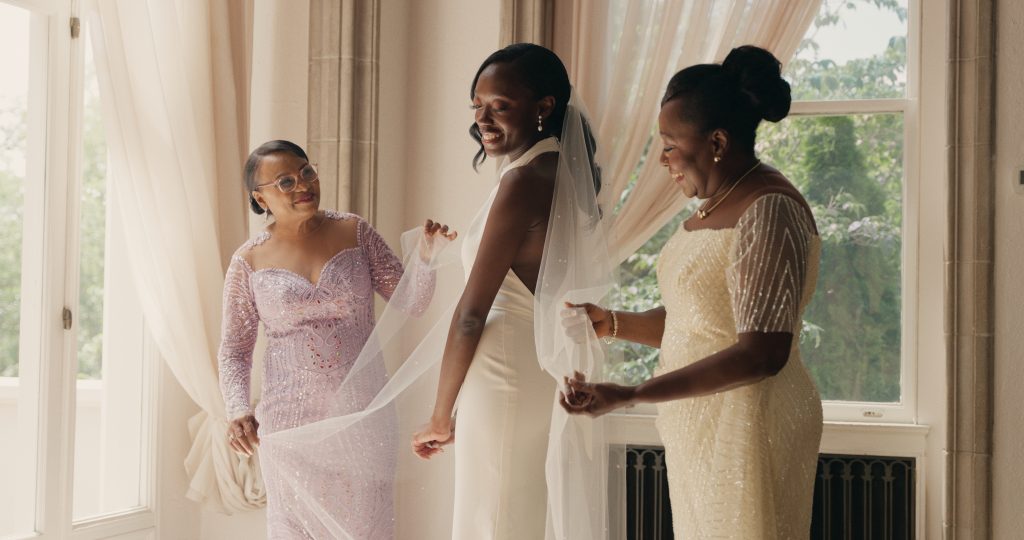
- The final getting-ready moments
- The full ceremony
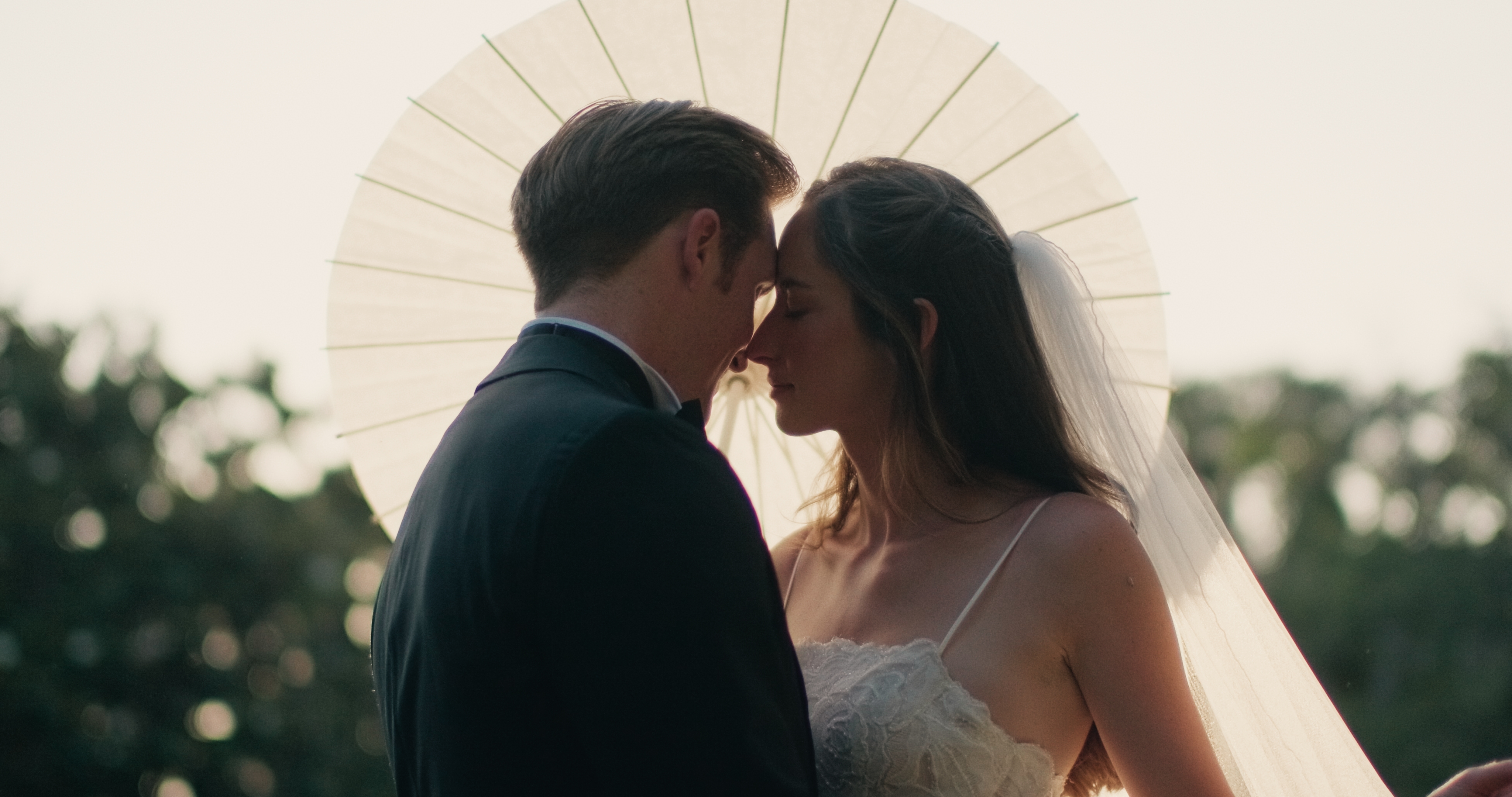
- Couple portraits
- A small portion of the reception
What you may miss:
- Early morning moments
- Full storytelling details
- Reception events like party dancing or your exit
Eight hours works well for simple timelines, but it leaves very little buffer if the day runs behind.
10 Hours of Coverage
Best for:
- Most traditional weddings
- One or two nearby locations
What you can expect:
- Getting ready
- Ceremony
- Portraits
- Reception entrances
- Toasts and dancing
Ten hours is the most popular choice because it captures every major moment without needing the full day.
12 Hours of Coverage
Best for:
- Large weddings
- Multi-location days
- Cultural or religious ceremonies
- Couples who want their entire story told
What you can expect:
- Both partners getting ready
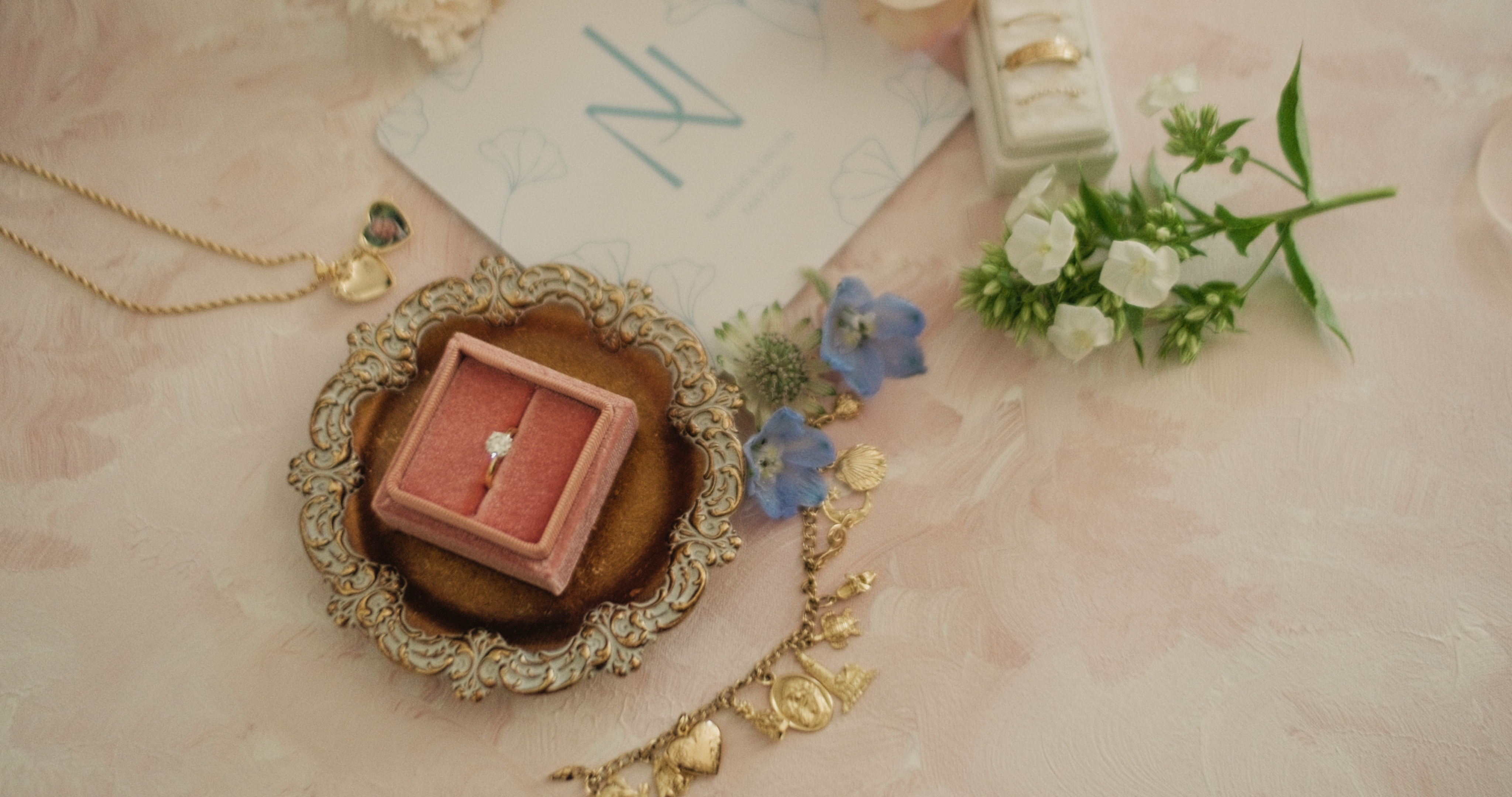
- Letter readings and detail shots
- Ceremony
- Portraits
- Cocktail hour
- Full reception energy
- Grand exit
More coverage allows the story to unfold naturally and gives your film space to feel like a complete, immersive experience.
Your wedding film is more than clips of your day. It is the story you will revisit for years, filled with the people, emotions, and details that made it unforgettable. Choosing the right amount of coverage ensures that story is told fully and beautifully.
Your wedding day deserves more than documentation. It deserves a film you will return to again and again. Contact Paros Films today and discover how we can bring your story to life.